
Agriculture in Africa: A Vital Pillar of Development and Well-being
In the Democratic Republic of Congo, nearly 70% of the population depends directly on agriculture for their livelihoods. This sector provides the majority of rural jobs and ensures the essential daily food supply for families across the nation's vast territory.
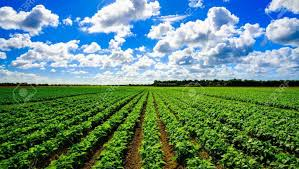
Agriculture in the foreground of development
Agriculture occupies a central place in the development of African countries, it is not only an economic activity but a fundamental pillar of survival social stability and national sovereignty, on a continent where a large part of the population depends directly on the land agriculture remains the foundation of all sustainable progress.
In Africa more than 60 percent of the population lives from agriculture mainly through family farms, this sector provides jobs income and livelihoods to millions of people, however despite its importance African agriculture remains under exploited and insufficiently valued.
The Democratic Republic of the Congo represents an exceptional case, endowed with one of the most fertile soils in the world a favorable climate and vast water resources the Democratic Republic of the Congo has an agricultural potential capable of feeding its entire population and a large part of the African continent.
With more than 80 million hectares of arable land of which only a small proportion is actually cultivated the Democratic Republic of the Congo could become the breadbasket of Africa, its lands allow the cultivation of maize rice cassava coffee cocoa fruits and vegetables in abundance throughout the year.
Congolese agriculture is not only a solution to hunger but also a powerful driver of economic growth, by investing in this sector the country could reduce its dependence on food imports strengthen its currency and create millions of jobs especially for young people and women.
In the current world marked by economic crises conflicts and climate change agriculture has once again become a major global strategic issue, countries capable of producing their own food are more resilient to external shocks and better prepared to ensure food security.
For Africa agriculture represents the most accessible and sustainable path to development, unlike other sectors that require heavy and complex investments agriculture relies on resources that are already available, land labor and local knowledge.
By modernizing agricultural techniques and improving access to seeds tools financing and markets African countries can rapidly increase their production, a well organized agricultural sector can transform rural areas into real centers of economic development.
Agriculture also plays a key role in the fight against poverty, by increasing the income of rural households it improves living conditions facilitates access to education and health services and reduces rural exodus to already overcrowded cities.
In the face of environmental challenges sustainable agriculture becomes a necessity, in the Democratic Republic of the Congo as elsewhere in Africa promoting environmentally friendly agricultural practices helps preserve soils forests and biodiversity while ensuring sufficient production for future generations.
It is therefore clear that the future of Africa depends on agriculture, by placing this sector at the heart of public policies supporting farmers and valuing local production African countries can build strong and independent economies.
only agriculture offers Africa and particularly the Democratic Republic of the Congo a realistic sustainable and inclusive path out of economic and social crises, feeding the population creating wealth and protecting the environment agriculture is not only a solution but the key to the African future.