
A reinvented Africa, protected nature, Inspired communities.

Coexistence Conservation Initiative 2025-2027
Launching Q4 2024
Integrated Ecosystem Restoration Across Africa
This ambitious three-year initiative aims to implement integrated ecosystem restoration principles across multiple African landscapes. The project focuses on the interconnectedness of carbon, water, and biodiversity cycles, recognizing that these three pillars do not function in isolation.
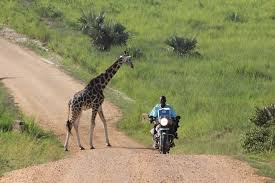
The Coexistence Conservation Initiative represents a paradigm shift in conservation approach, moving beyond traditional methods to create holistic solutions that benefit both wildlife and human communities. By working across three African countries, we aim to create scalable models of harmonious coexistence.
Carbon Cycle Restoration
Implementing natural carbon sequestration methods through reforestation, soil regeneration, and sustainable land management practices. This pillar focuses on restoring the natural carbon balance in African ecosystems.
Water Cycle Regeneration
Restoring natural water systems through rainwater harvesting, wetland restoration, and sustainable watershed management. This work combats desertification and ensures water security for both wildlife and communities.
Biodiversity Revival
Creating wildlife corridors, protecting endangered species, and promoting natural ecosystem balance through community-based conservation. This pillar ensures the survival of Africa's unique wildlife heritage.
Project Phases & Timeline
Phase 1: Community Engagement & Training (Q4 2024 - Q2 2025)
PreparationBuilding community partnerships and training local leaders in restoration techniques. This phase focuses on knowledge transfer and establishing community conservation committees across 25 target communities.
Key activities include community workshops, leadership training programs, and the establishment of local conservation governance structures. We will identify and train 100 community conservation champions who will lead restoration efforts in their areas.
Phase 2: Pilot Restoration Sites (Q3 2025 - Q4 2026)
ImplementationEstablishing 10 pilot restoration sites across three countries, implementing integrated restoration techniques, and monitoring ecosystem recovery. Each site will serve as a living laboratory for restoration best practices.
Pilot sites will be selected based on ecological significance, community engagement potential, and restoration urgency. We will implement site-specific restoration plans that address local challenges while contributing to regional conservation goals.
Phase 3: Scaling & Replication (Q1 2027 - Q4 2027)
ExpansionScaling successful restoration models, establishing regional training centers, and developing policy recommendations for ecosystem restoration. This phase focuses on creating lasting institutional capacity for conservation.
We will establish three regional training centers that will continue to train conservation practitioners beyond the project timeline. Policy recommendations will be developed based on project learnings to influence national and regional conservation strategies.
Expected Outcomes by 2027
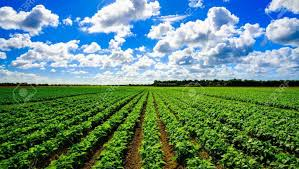
Transforming degraded lands into productive ecosystems through natural regeneration techniques. This restoration will create wildlife corridors, improve soil fertility, and enhance water retention across the landscape.
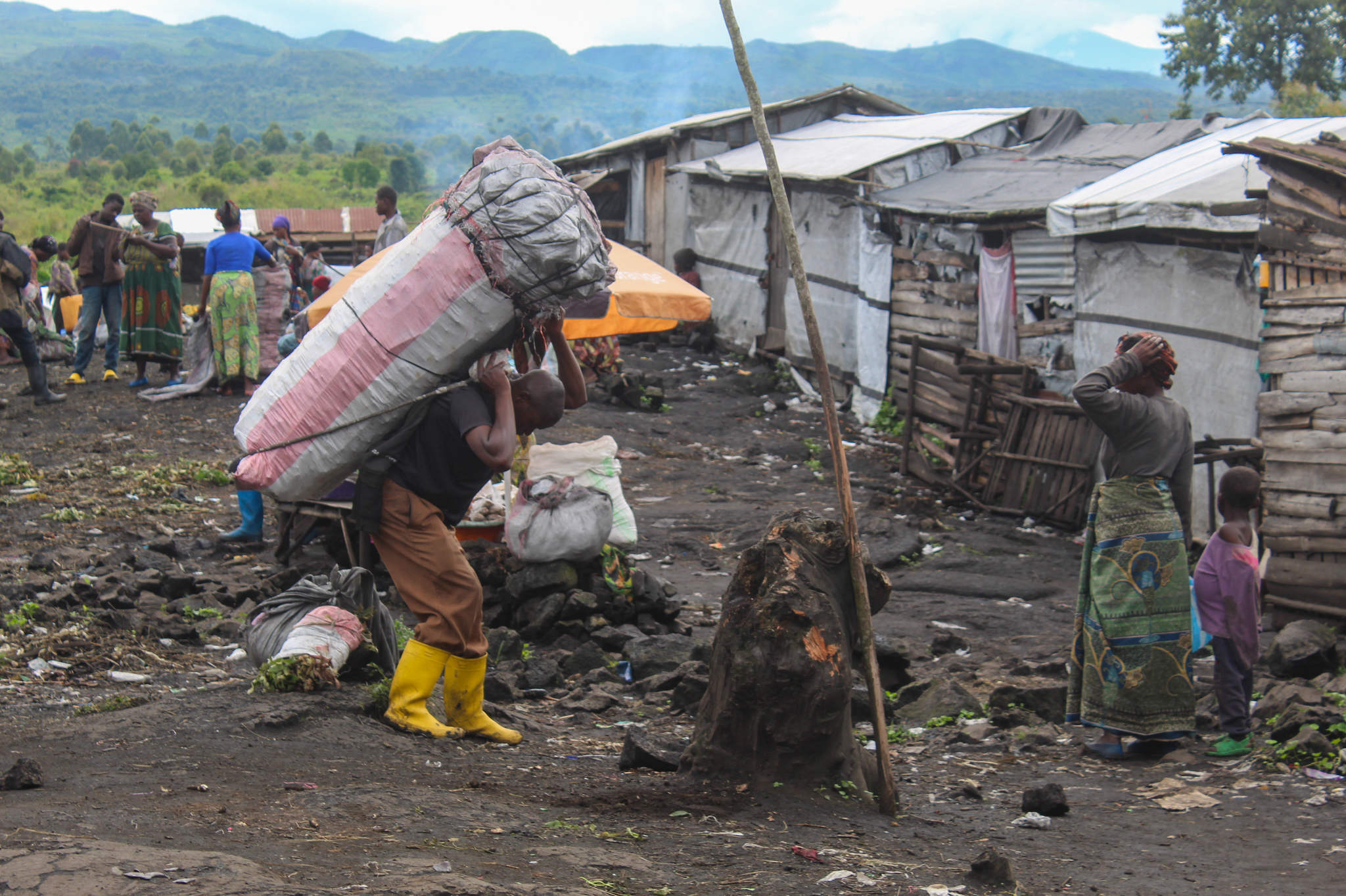
Training and empowering local communities as stewards of their natural resources. Community members will gain skills in sustainable resource management, conflict resolution, and conservation monitoring.
Creating a network of skilled restoration experts across Africa. These practitioners will continue restoration work in their communities and train others, creating a multiplier effect for conservation impact.
Developing scientifically-grounded restoration protocols for African ecosystems. These guidelines will provide practical tools for other organizations and governments working on conservation in similar contexts.